

Marble Crystal: Healing Properties, Meaning & Uses
 Provides clarity, meditation, serenity and dream recall. Good for self control, nurturing, and strengthening common sense. Marble is a metamorphic rock known for its beauty, versatility, and historical significance. It has been used in art, architecture, and design for thousands of years.
Here is a comprehensive overview of marble:
General Characteristics
Appearance
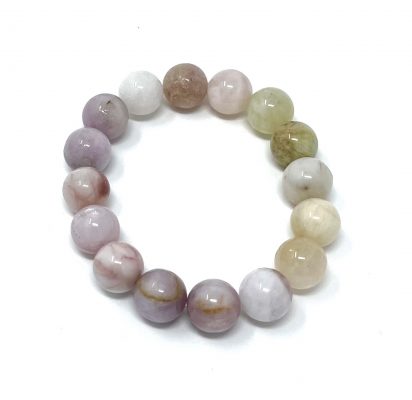
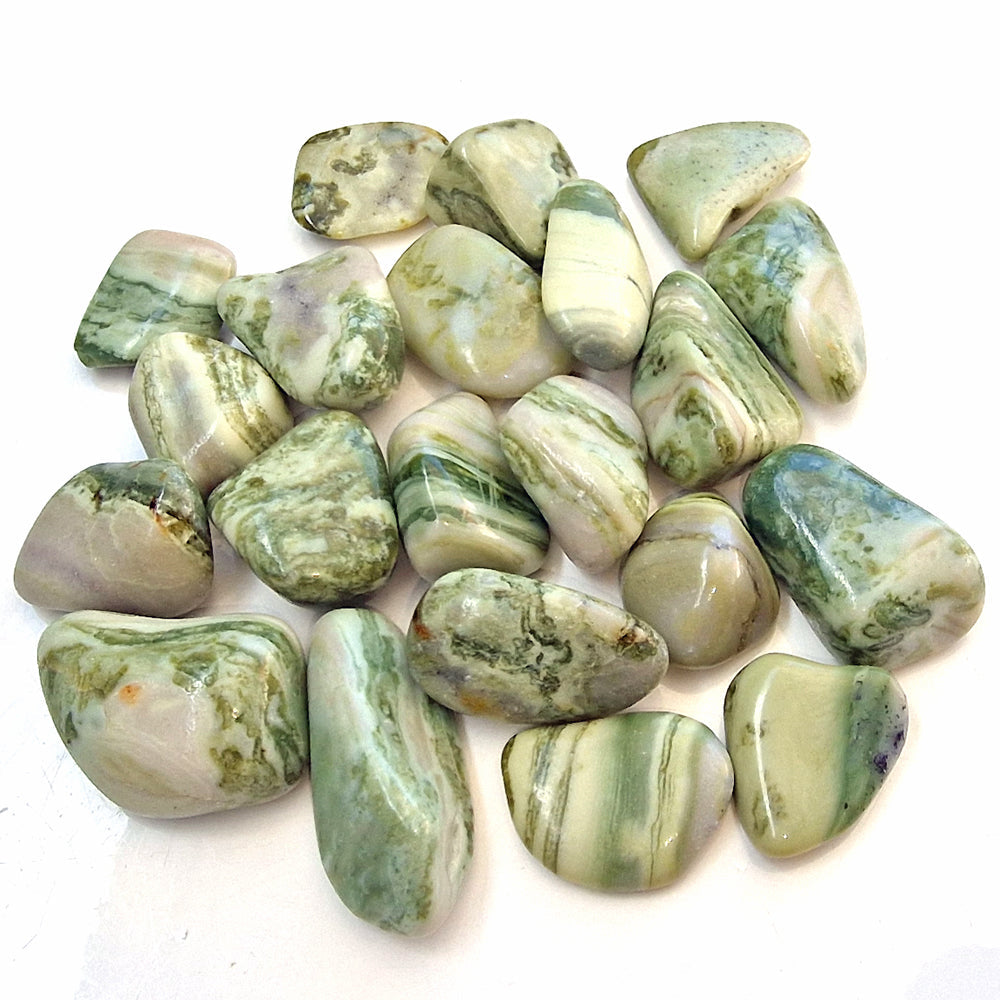
Marble is known for its variety of colors and patterns. It can be white, pink, gray, green, black, or multi-colored, often with veining patterns created by impurities such as iron oxides or clay minerals. The stone has a crystalline texture and a waxy to vitreous luster when polished.
Hardness
Marble has a Mohs hardness of 3 to 4, making it relatively soft and susceptible to scratching and acid damage.
Notable Types and Varieties
Carrara Marble
Famous for its white or blue-gray appearance, Carrara marble is quarried in the Carrara region of Italy. It has been used in many renowned sculptures and buildings, including Michelangelo’s David.
Calacatta Marble
Known for its bold, dramatic veining on a white background, Calacatta marble is also from Italy and is often used in high-end architectural projects.
Statuario Marble
Another Italian marble, Statuario is prized for its pure white color and fine grain, making it ideal for sculptures.
Emperador Marble
Characterized by its rich brown color with white veining, Emperador marble is commonly used in interior design and flooring.
Green Marble
Featuring various shades of green, this marble type often includes serpentine, giving it a unique look and increased hardness.
Uses and Applications
Architecture
Marble has been used for centuries in buildings and monuments. Examples include the Parthenon in Greece, the Taj Mahal in India, and numerous cathedrals and palaces worldwide. It is often used for flooring, walls, columns, and exterior facades due to its beauty and durability.
Sculpture
Marble is a favored material for sculptors due to its workability, fine grain, and ability to take a high polish. Famous works include Michelangelo’s Pietà and Venus de Milo.
Interior Design
In modern interior design, marble is used for countertops, backsplashes, bathroom vanities, tiles, and decorative objects. Its elegance and variety of patterns make it a popular choice for luxurious spaces.
Industrial Uses
Crushed marble is used as an aggregate in concrete, as well as a filler in paints, plastics, and other products. It is also used in agriculture to neutralize acidic soils.
Metaphysical Properties
Spiritual Uses
Marble is believed to have grounding and calming properties. It is thought to enhance serenity, provide stability, and foster inner peace. It is often used in meditation to promote mental clarity and focus.
Emotional Healing
This stone is said to help with emotional balance and self-control. It can aid in the release of negative emotions and promote a sense of calm and well-being.
Care and Maintenance
Handling
Marble should be handled with care to avoid scratches, chips, and stains. It is relatively soft compared to other stones, so it is susceptible to damage from sharp objects and heavy impacts.
Cleaning
Clean marble surfaces with a pH-neutral cleaner and a soft cloth. Avoid using acidic or abrasive cleaners, as they can etch the surface. Regularly seal marble countertops and tiles to protect against stains and moisture infiltration.
Where can Marble be found?
Marble forms through the metamorphism of limestone, a sedimentary rock, under conditions of high pressure and temperature. This process causes the calcite in the limestone to recrystallize, forming a denser rock with a characteristic crystalline structure.
Marble Healing Properties and Benefits Frequently Asked Questions
Marble is used in architecture, sculpture, interior design, and industrial applications. It is favored for its beauty and versatility, making it ideal for flooring, countertops, walls, and decorative objects.
Marble forms through the metamorphism of limestone under high pressure and temperature conditions, causing the calcite in the limestone to recrystallize into a denser rock with a crystalline structure.
Notable types of marble include Carrara, Calacatta, Statuario, Emperador, and Green Marble, each known for its unique color and veining patterns.
Crystalis Encyclopedia
Explore the full Marble authority page
Mineralogy, 12 cultural traditions with attribution, nervous system mapping, somatic protocols, herb pairings, and source-linked evidence.
View dictionary entry →