
Dioptase Crystal: Healing Properties, Meaning & Uses
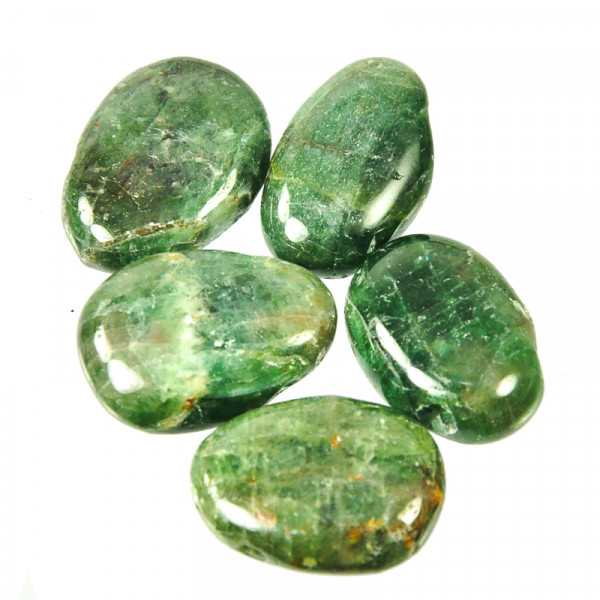
 Dioptase is a rare and beautiful mineral known for its vibrant green color and powerful healing properties. Its ability to facilitate emotional healing, forgiveness, and spiritual growth makes it a cherished stone for those seeking emotional balance and inner peace. Stimulates memory of past lives. Excellent for migraines, stress, high blood pressure, surgery, or things that “hurt.” Its connection to the heart and its visually stunning appearance make it a standout mineral in both metaphysical and geological contexts.
Here are some key points about Dioptase:
General Characteristics
Crystal System
Dioptase crystallizes in the trigonal crystal system, often forming small, well-formed, prismatic crystals.
Appearance
Dioptase is typically a vibrant emerald to bluish-green color. It has a vitreous to sub-adamantine luster and can be transparent to translucent.
Hardness
Dioptase has a Mohs hardness of 5, making it relatively soft and more suitable for display rather than everyday wear in jewelry.
Metaphysical Properties
Spiritual Uses
Dioptase is known for its powerful heart-healing properties. It is believed to aid in emotional healing, forgiveness, and compassion. It is often used to facilitate spiritual growth and awareness, helping individuals connect with higher consciousness.
Emotional Healing
This stone is said to help release past traumas and emotional blockages, promoting a sense of inner peace and emotional balance. It is thought to enhance the ability to forgive oneself and others, fostering a sense of compassion and empathy.
Uses and Applications
Jewelry
Due to its softness, Dioptase is not commonly used in everyday jewelry. However, it is occasionally set in pendants or earrings, where it is less likely to be damaged.
Collector’s Mineral
Dioptase is highly valued by mineral collectors for its vibrant color and crystal formations. Specimens are often displayed in collections or museums.
Healing Properties and Benefits
Physical Healing
Dioptase is believed to support the healing of heart-related issues and improve overall cardiovascular health. It is also thought to aid in the detoxification of the body and enhance the immune system.
Emotional and Mental Healing:
This stone is said to help alleviate feelings of anxiety, depression, and stress, promoting a sense of calm and well-being. It is believed to enhance mental clarity, creativity, and problem-solving abilities.
Care and Maintenance
Handling
Dioptase should be handled with care due to its softness and brittleness. Avoid dropping or exposing it to harsh conditions. It should be stored separately from harder stones to prevent scratching.
Cleaning
Clean Dioptase with a soft cloth and mild soap if necessary. Rinse thoroughly and dry with a soft cloth. Avoid using ultrasonic cleaners or harsh chemicals.
Where can Dioptase be found?
Dioptase forms in the oxidized zones of copper deposits, often in arid regions where copper minerals can oxidize and crystallize. Significant deposits of Dioptase are found in Namibia, the Democratic Republic of Congo, Kazakhstan, Russia, and Chile.
Dioptase Healing Properties and Benefits Frequently Asked Questions
Dioptase is known for its powerful heart-healing properties. Spiritually, it aids in emotional healing, forgiveness, and compassion, helping individuals connect with higher consciousness and facilitating spiritual growth and awareness.
Dioptase is primarily used for its metaphysical properties, including emotional healing and promoting compassion. It is also highly valued by mineral collectors for its vibrant color and beautiful crystal formations. Occasionally, it is used in jewelry, particularly in pendants and earrings.
Dioptase offers several healing properties, such as:
- Emotional healing and the release of past traumas.
- Promoting forgiveness, compassion, and empathy.
- Enhancing spiritual awareness and connection to higher consciousness.
- Supporting heart health and overall well-being.
Crystalis Encyclopedia
Explore the full Dioptase authority page
Mineralogy, 12 cultural traditions with attribution, nervous system mapping, somatic protocols, herb pairings, and source-linked evidence.
View dictionary entry →